
Reparenting: Self-Care For Your Inner Child
“Your inner child still lives inside of you, waiting for the love and care they always deserved.”
What comes to mind when you think about “self-care”?
Comfort food, spa days, and vacations? These offer short-term comfort, for sure.
But what if you’re dealing with emotional challenges that have stuck with you for years? These may be inner child wounds that require a deeper form of self-care and healing.
With International Self-Care Day on July 24 and the start of BIPOC Mental Health Month now, let’s talk about what that looks like.
What is an inner child?
In psychology, we all have an inner child: the subconscious part of your mind that holds your childhood memories, feelings, and beliefs.
Those experiences don’t magically disappear when you turn 18.
If you lacked safe, nurturing, healthy attachments or experienced neglect, trauma, or unmet needs in childhood— you may be carrying inner child wounds.
Fun fact:
Just as we all have inner child, we also have an inner teen!
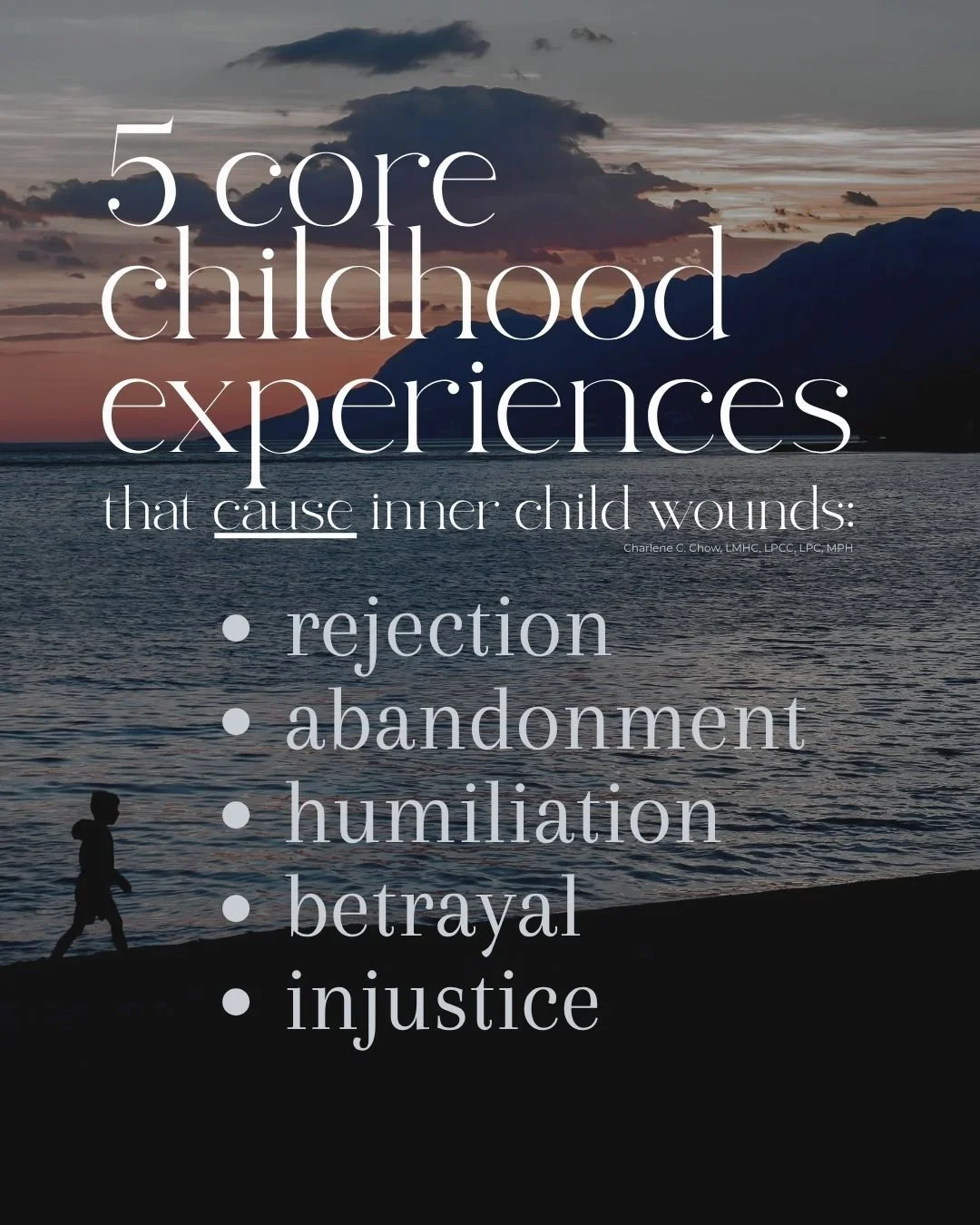
What are inner child wounds?
These are emotional injuries sustained in early, formative years.
Imagine unhealed, emotionally deep cuts in childhood that can reopen when triggered in adulthood.
As an adult, these wounds may show up as:
Fear of rejection.
Perfectionistic tendencies.
Chronic people-pleasing and self-abandonment.
Lack of assertiveness, even with ‘small’ things.
Weak boundaries with others and yourself.
Enmeshment or codependency in relationships.
Addictive or self-sabotaging behaviors.
Overly judgmental self-talk.
Chronic low self-esteem, unworthiness, guilt, and shame.
Check in with yourself:
Do you see yourself anywhere in this list? Are you carrying any inner child wounds of your own?
Who can end up with inner child wounds?
No one is immune.
That said, certain populations do carry a greater risk of exposure to trauma early in life, and are therefore more likely to carry this emotional injury.
This applies to all intersectional and "othered" identities, inclusive of individuals who are socioeconomically disadvantaged, disabled, neurodiverse, belonging to LGBTQ+ communities, and of course black, indigenous, and other people of color (BIPOC).
In honor of BIPOC Mental Health Month, here are some special considerations if you identify as a person of color:
For racial and ethnic minorities, childhood is complicated by systemic racism and pressure to assimilate.
You may have been forced to grow up too fast as a matter of social survival — prioritizing filial piety, acting as cultural translator, or masking your feelings to fit into Western spaces.
Sadly, this can rob you of critical developmental experiences that build autonomy, self-esteem, and resilience.
When survival is the #1 focus, play, joy, and rest are often the first things sacrificed — which makes inner child work a radical act of generational healing.
How does inner child healing happen?
Firstly, know that this process can be deeply uncomfortable, frustrating, and painful.
The goal is to break old — sometimes generational — trauma patterns, and replace them with consistent acts of compassion and self-care.
To heal, you must take ownership over the process.
Here’s where in-depth self-care can help.
What does self-care for your inner child look like?
1. Notice your inner child.
Recognize that these emotional wounds are real.
Bringing awareness to the depth and source of these wounds paves the way for self-understanding and allows you to mourn valid childhood losses.
Acknowledgment is the first step toward acceptance, forgiveness, and forward movement past the pain.
2. Talk to your inner child.
Once you know your inner child is present, you can have a conversation.
Silly though it may sound, actively dialoguing with yourself is key. This is an opportunity for your adult Self to bring your inner child’s unmet needs and unprocessed feelings to surface at a conscious level.
Listen and respond to yourself with patience, grace, and forgiveness.
Example dialogue:
Let's say you make a mistake and immediately start blaming yourself, echoing the way that you’ve always been criticized growing up.- Pause.
- Imagine a 4-year-old version of yourself receiving all of this blame.
- Ask your inner child: "How do you feel, and what do you need?"
- Instead of continuing to berate yourself, tell yourself “We’re all human. It’s okay to make mistakes. I’ve got you, and we will figure this out together.”
How differently does this feel?
3. Reparent your inner child.
Now your adult Self can correct for the failings of your childhood caregivers — a process called reparenting.
You have just one job: consistently act in a way that shows yourself the care you have long deserved.
Here are some ways to get started:
Reclaim a childhood hobby. Take out the hustle, the goals, and the pressure to be “good” at it. Do the things you used to enjoy before others told you to quit playing and be productive.
Find new joy. The human brain likes novelty, and pursuing that taps into creativity, curiosity, awe — self-fulfilling emotions. Maybe your joy lies in the discovery process itself.
Do guided meditations/visualizations. Imagine your inner child receiving advice, compassionate validation, maybe even a hug from your adult Self. Rehearsing this makes self-soothing second-nature.
Journal. Write a letter, or jot your experiences down to put distance between your inner child and their pain. It’s not about lying or gaslighting yourself, but rather finding new light in previously shadowed places.
Affirmations. Make your personal improvement goals your mantra. This prepares you to take tangible actions to be the version of yourself that you want, need, deserve to be.
Set boundaries. Offer your inner child structure and protection so they feel safe to say “no” to draining events or responsibilities that aren’t yours. Don’t say “yes” out of guilt, shame, or blind habit. Give your inner child room to breathe.
Thought questions:
- Where did I lack ownership in childhood, and where do I hold power now?
- In what ways can I rest, play, or be curious?
- What will help me thrive?
Sample affirmations:
- I am safe.
- I am powerful.
- I am free.
- I am allowed to rest, to play, and to be soft.
- I am thriving.
“Every child is an artist. The problem is how to remain an artist once he grows up.”
Inner child wounds may have dictated important moments in your life up to this point — but that can change.
As an emotionally attuned adult, you have the power to:
Be the warm, attentive caregiver your inner child needs.
Establish compassionate, appropriate boundaries with your inner child.
Offer comfort, safety and protection to the most vulnerable parts of yourself that remain unhealed.
Show yourself unconditional love, attention, and validation.
Whether you’re embodying an “othered” identity or not, you can transform these wounds from sources of anxiety to wellsprings of peace with awareness, compassion, and safe support.
You deserve to connect with and nurture your inner child as every young being deserves to be cared for.
You deserve to move forward in life with authenticity, emotional self-sufficiency, and inner peace.
You deserve to know that you are so much more than your emotional wounds.

Embracing deep self-care by reparenting your inner child is a unique gift only you can give. But you don’t have to do it alone.
A large part of healing happens in connection, and inner child work is just one of many processes I love collaborating on with clients in my practice.
If that interests you, you’re welcome to schedule a complimentary 10-minute phone consultation with me here.
It would be my absolute honor to hold safe space for you and your inner child on your journey of self-actualization and healing.
Disclaimer: This blog is intended for informational purposes only, and does not constitute medical or psychiatric advice. Please consult with a qualified healthcare professional directly for personalized guidance and support.