
The Cost of Caregiving: Burnout, Compassion Fatigue & Beyond
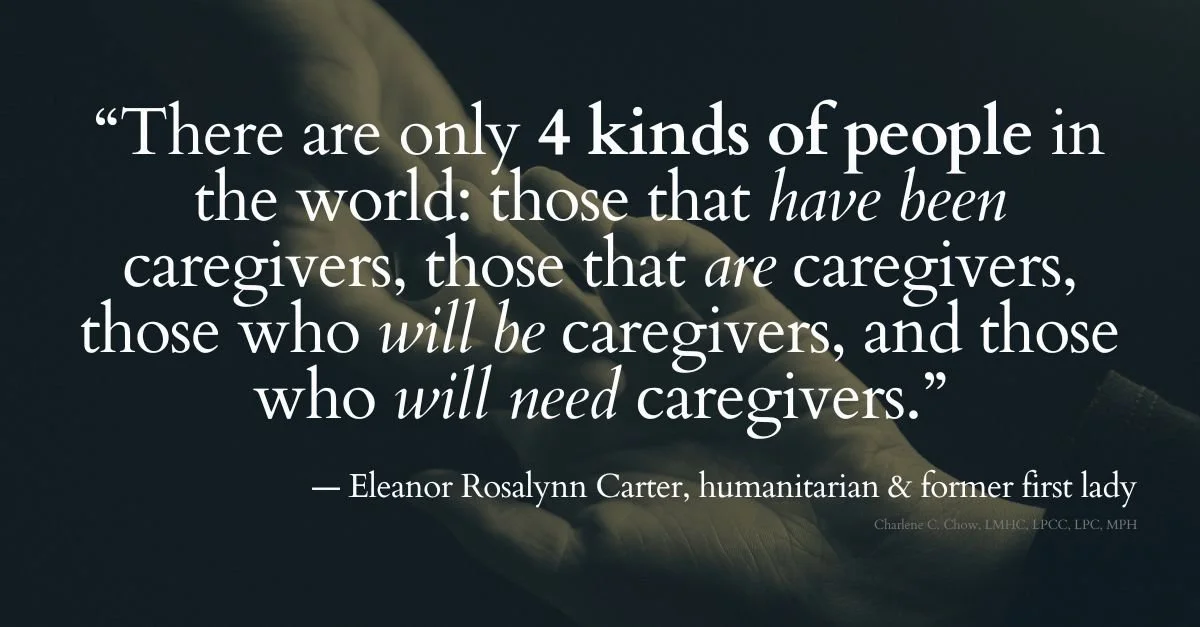
As November ushers in crisp air, the promise of approaching holidays, and National Family Caregivers Month, it’s important to acknowledge the heaviness that can also accompany this season — especially if you’re a caregiver.
Whether you’re watching over an aging parent, supporting a chronically ill partner, or parenting a child through the complex feelings that come with adoption trauma, attachment shifts, and other growing pains — caregiving is an act of love that is at once weighty and enlightening, grief-filled and meaningful.
This duality of caregiving as both an unparalleled gift and an undeniable burden makes it an easy path to burnout.
What causes caregiver burnout?
I’ve written about burnout previously, but caregiver burnout can feel like a unique breed of fatigue because it goes beyond the simple tiredness of being ‘overworked.’
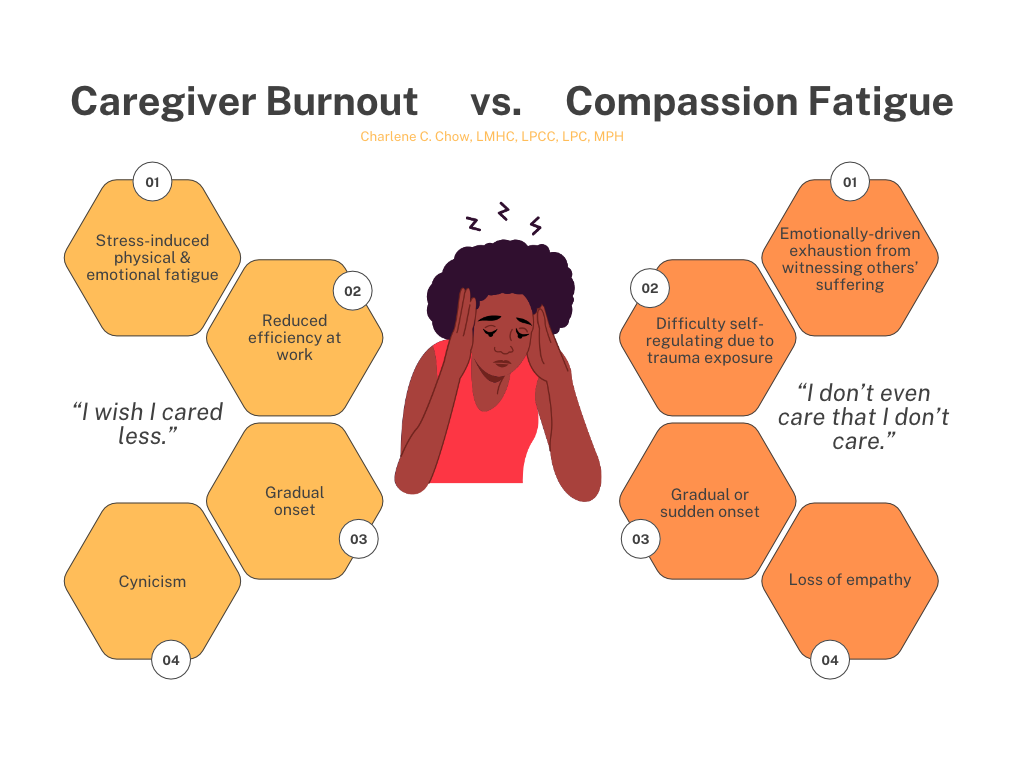
“Caregiver burnout” is not a diagnosis but an umbrella term that describes a state of physical, emotional, and mental exhaustion, caused not only by prolonged stress, but also by the truly never-ending responsibility of tending to someone more vulnerable than yourself.
This can require significant self-sacrifice around demands that include:
Ensuring your loved one completes basic activities of daily living (ADLs), like personal hygiene.
Meeting their physical needs, like guarding against elopement and fall risks.
Meeting their mental needs, like socializing and providing enrichment activities for brain health.
Meeting their emotional needs, like listening to complaints and comforting them when distressed.
Constantly anticipating future needs, either before they know it themselves, or in the event they can’t express it themselves.
And if you identify as neurodiverse, are a person of color, or belong to LGBTQIA+ or gender minority communities, you may be prone to burning out more quickly due to enduring minority stress in your own life.
What does caregiver burnout feel like?
When you prioritize someone else and your own life takes a backseat to this extent, your nervous system gets stuck on high alert.
Without any relief, this chronic stress can show up in 4 different ways over time:
1. ISOLATION:
Gradual deterioration or loss of friendships
Increased conflicts with family, friends, and coworkers
Active withdrawal from larger supportive systems, like hospital programs, schools, etc.
Rejection of social resources because you think you “should do it alone”
2. PHYSICAL SYMPTOMS:
Fatigue with or without sleep disturbances, including insomnia or hypersomnia
Headaches, jaw clenching, teeth grinding, or chronic muscle tension
Changes in appetite or unexplained weight gain/loss
Significant or accelerated hair loss
3. MOOD CHANGES:
Excessive irritability, anger, frustration, or impatience
Frequent anxiety or overwhelm
Persistent guilt or regret
Growing embarrassment or shame
4. EMOTIONAL DETACHMENT:
Uncharacteristic apathy, flatness, or numbness
Decreased desire to engage or focus in general
Loss of joy in things that used to give you pleasure
Difficulty staying connected in the present moment
A note for caregivers of adoptees:
November is also National Adoption Month, and for adoptive parents, there are extra considerations.
Adoptee caregiving can frequently involve navigating:
- Developmental trauma
- Attachment wounds
- Complicated identity exploration
- Ambiguous loss and grief
- Intense emotional dysregulation
Adoptee caregivers are thus in a position to also experience secondary traumatic stress, heightened guilt, isolation and loneliness, and unproductive shame for 'deviating' from the narrative of building an adoptive family united in joy.
Unchecked emotional overinvestment results in compassion fatigue.
“People may call it empathy exhaustion, empathy fatigue, compassion exhaustion or compassion burnout. The terms may differ, but they all refer to the same phenomenon. It is the kind of fatigue that sleep does not fix because it results from the emotional and psychological weight of giving, giving and giving some more.”
When tending to a loved one, not only are you more willing to emotionally overinvest, but you’re also more likely to berate and self-judge for prioritizing anything other than your loved one — even if that other thing is yourself.
So it’s worth noting that caregiving demands typically build slowly. They may grow so gradually that you don’t even realize how much you’ve outwardly invested, or how far your internal reserves have fallen until you’re already past your limit.
HOWEVER, secondary trauma while caregiving can happen slowly OR quickly. Witnessing both your loved one’s suffering and feeling the fallout of their suffering yourself can drastically accelerate the pace of your burnout.
Without intervention, this can ultimately lead to something called compassion fatigue: a complete breakdown in your ability to continue caregiving in an empathetic, productive manner, borne out of an inability to sustain yourself indefinitely.
What can you do if you have caregiver burnout?
As with many healthcare strategies, prevention is often easier and more effective than mitigation.
And that does NOT require you to abandon your caregiving role.
Preventive treatment for caregiver burnout looks like you protecting your own needs by taking very intentional steps to support your own psychological wellbeing.
Here are 4 easy self-care strategies to start with:
1. Take breaks.
These don’t have to be big. In fact, if it makes you feel better, call it a micro-rest. You may not be able to take a full day or week off, but you can always find 2-5 minutes somewhere in your day.
TRY THIS: Give yourself a few uninterrupted moments to step outside, close your eyes, take grounding breaths, sip some cold water — whatever helps reset your nervous system even briefly.
2. Clarify real guilt vs. guilt-tripping.
If you’re feeling significant guilt, double-check that it’s warranted. You may just be guilt-tripping yourself unnecessarily. You don’t deserve to feel guilty for that.
ASK YOURSELF THIS: Are you feeling this way because you actually did something wrong, or are you simply setting a new, unfamiliar boundary for valid and necessary reasons? Are your actions in service of meeting your own basic human needs?
3. Label your grief.
Loss goes hand-in-hand with caregiving. Whether your grief is loud or quiet, ambiguous or clear, naming it helps create a healing space within which you can give yourself permission to mourn.
TRY THIS: Notice if you're thinking in hypotheticals about how things “should” or “could” have been, or in absolutes about how things will “never” be again. Acknowledge the physical, mental, and emotional losses that led to your involvement.
4. Connect with your community.
“It takes a village,” they say. Look for those who can be with you in it — compassionately, helpfully, without toxic positivity, fear, or contempt.
ASK YOURSELF THIS: Who can you reliably go to for affirmation and support? Trusted family members, compassionate peers, or support groups?

Love does not make you needless or immune to exhaustion.
Acknowledging that caregiving is hard work isn’t a personal failure, just an honest recognition of reality: you’re being asked to thanklessly show up for others every single day, rain or shine, and go to superhuman lengths each time.
To do this effectively and sustainably for your loved ones, you must start with yourself.
Nurture yourself with the same generosity and compassion you extend to loved ones.
Nurture yourself so that you may nurture others.
You deserve it.
Ready to take the next step?
If caregiver burnout is weighing on you, or you're feeling compassion fatigue set in, therapy can help you process secondary trauma and prevent further emotional depletion.
A large part of healing happens in connection, and a trusted therapist can guide you there.
I love collaborating with clients to overcome the unfair expectations and unproductive guilt keeping you from properly caring for yourself.
Schedule a complimentary 10-minute phone consultation with me here.
It would be my honor to offer you a safe space where you can honor what you need, and let that lead you to inner peace.
Disclaimer: This blog is intended for informational purposes only, and does not constitute medical or psychiatric advice. Please consult with a qualified healthcare professional directly for personalized guidance and support.